

Starting Seeds Indoors — What, When, and How
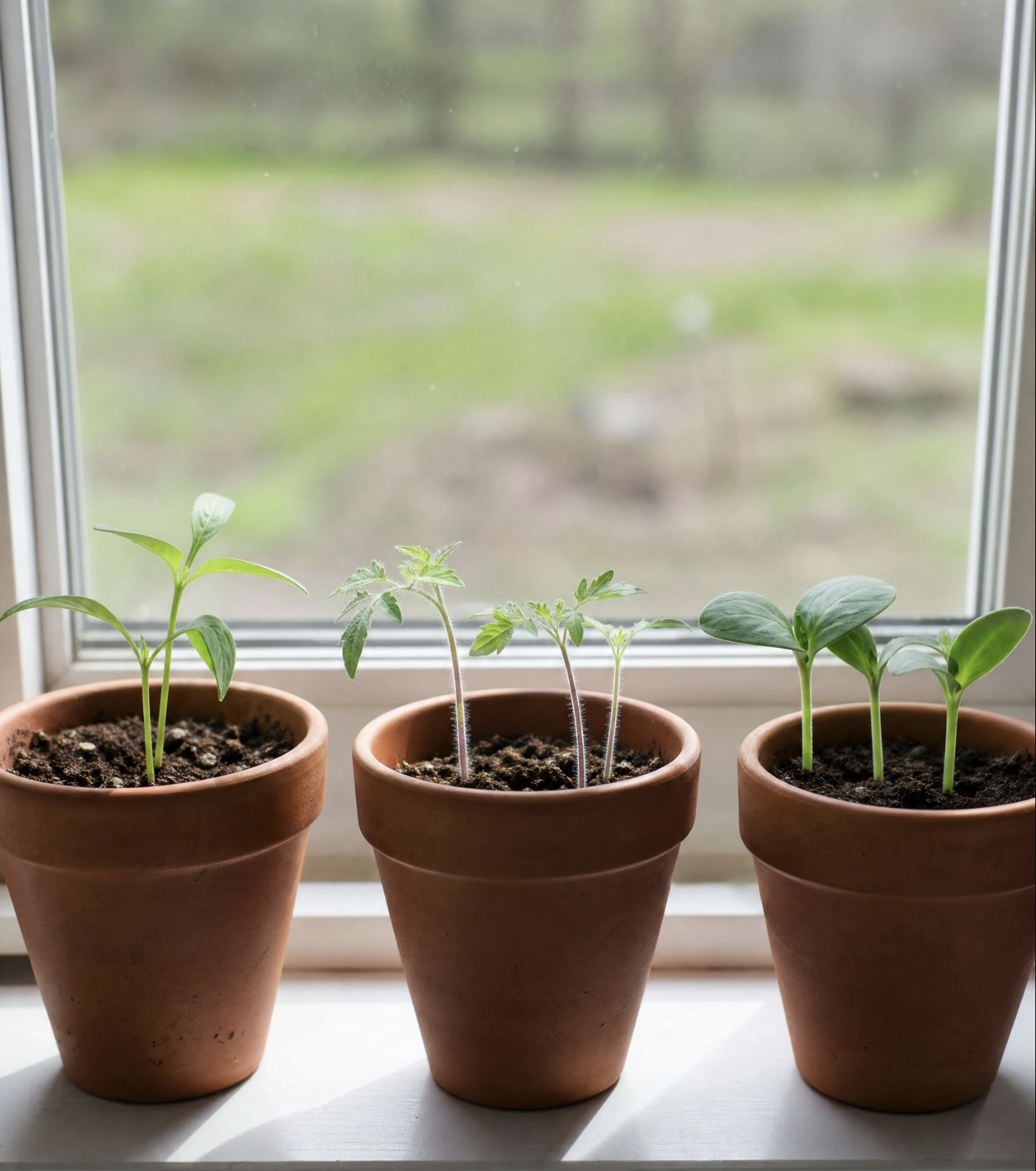
Starting seeds indoors is one of those practices that gardeners either love immediately and do forever, or try once, find confusing and fiddly, and abandon. I want to make the case that the confusion usually comes from starting too many things too early, rather than from any fundamental difficulty in the process itself.
The core principle: count backwards from your last frost date. If you don't know your last frost date, look it up — it's the single most important piece of information a gardener can have. In most of Northern California, the last frost date falls in late February to early March. In colder climates, it might be as late as mid-May. Whatever the date, most warm-season vegetables and flowers need to be started indoors six to eight weeks before that date. Starting earlier does not give you a bigger plant; it gives you a root-bound, struggling plant that stalls after transplanting.
What to start in February: tomatoes (eight weeks before last frost), peppers (ten to twelve weeks — they're slow, so February is appropriate for most climates), eggplant, and annual flowers that need a long lead time: zinnias, snapdragons, stocks, and lisianthus if you're feeling ambitious.
What not to start in February: cucumbers, squash, beans, and most root vegetables. These either resent transplanting or grow so fast that starting them early is pointless. Direct sow them in the garden at the right time and skip the indoor phase entirely.
For the actual starting: you need a seed-starting mix, not regular potting soil, which is too heavy and may carry pathogens that harm seedlings. Fill small cells or pots, moisten thoroughly, and sow seeds at the depth indicated on the packet — usually two to three times the seed's diameter. Label everything immediately. You will not remember what you planted where.
Moisture and warmth are what seeds need to germinate — light is not yet required. Cover your trays with a clear plastic dome or a loose piece of plastic wrap to hold humidity, and set them somewhere warm: on top of the refrigerator, near a heat vent, or on a seedling heat mat if you're serious about this. Check daily and uncover once you see any green.
Once the seedlings emerge, light becomes everything. A sunny south-facing window is usually insufficient — seedlings grown in windows become leggy, reaching toward light they can't quite access. A simple grow light set on a timer — twelve to sixteen hours per day — makes all the difference. Keep it just a few inches above the seedlings and raise it as they grow.
The practice of starting seeds is, at its core, an act of patience and attention. You are doing very little and watching carefully while the plants do everything. That turns out to be the right disposition for February.
